
Other materials
3D Printing、MIM、HIP、Brazing、Spraying、Porous material、PM
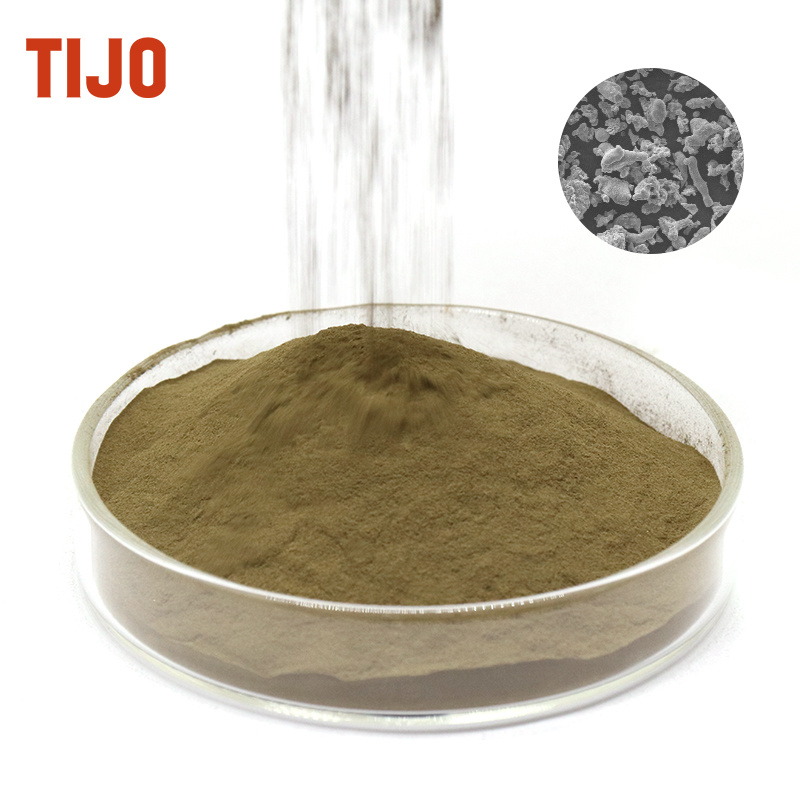
Copper-based brazing alloys refer to a class of brazing filler materials whose primary base element is copper (Cu). Brazing is a joining process in which the filler metal—whose melting point is lower than that of the base materials (the workpieces being joined)—is heated until it melts. The molten filler then wets the base materials, fills the gaps at the joint, and, through mutual dissolution and diffusion with the base materials, forms a strong bond between the workpieces.

Good fluidity, suitable for furnace brazing under a protective atmosphere.

BCu55ZnMnNi copper brazing alloy
Adding elements such as manganese, nickel, and cobalt to copper–zinc brazing alloys can improve wettability and significantly enhance joint strength. When manganese is incorporated, brazing hard alloys like YG8, YT5, and YT15 yields a joint tensile strength of 300–320 MPa at room temperature, which remains at 220–240 MPa even at 320°C. The addition of nickel further enhances the alloy’s wettability on hard alloys, resulting in superior brazed microstructures and properties, and improving the impact toughness and fatigue‑resistance of hard‑alloy tools.

CuP14 copper-phosphorus alloy powder
1. Flux‑free operation: Phosphorus forms phosphates during brazing, reducing oxidation and eliminating the need for an additional flux. 2. Low melting point for easy handling: Solidus around 645°C, liquidus around 815°C, making it suitable for heat‑sensitive components. 3. High electrical conductivity: The brazed joint exhibits conductivity comparable to pure copper, ensuring reliable electrical connections. 4. Excellent wettability: Provides thorough wetting on base materials such as copper and brass, resulting in dense, porosity‑free welds.

Electrolysis can control the particle size of the powder so it can produce ultra -fine powder. It has high purity and larger surface area with good formability which powder shape is generally branched and suppressed

1. Ultra-high purity: Copper content ≥ 99.9%, with low impurity levels (compliant with GB/T 5246 standard). 2. Controllable morphology: Branching or spherical structures available, tailored to meet diverse process requirements. 3. Low oxygen content: Oxygen content ≤ 0.1%, delivering excellent oxidation resistance. Flexible particle size: Standard particle sizes range from 1 to 50 μm, with custom grading options supported.
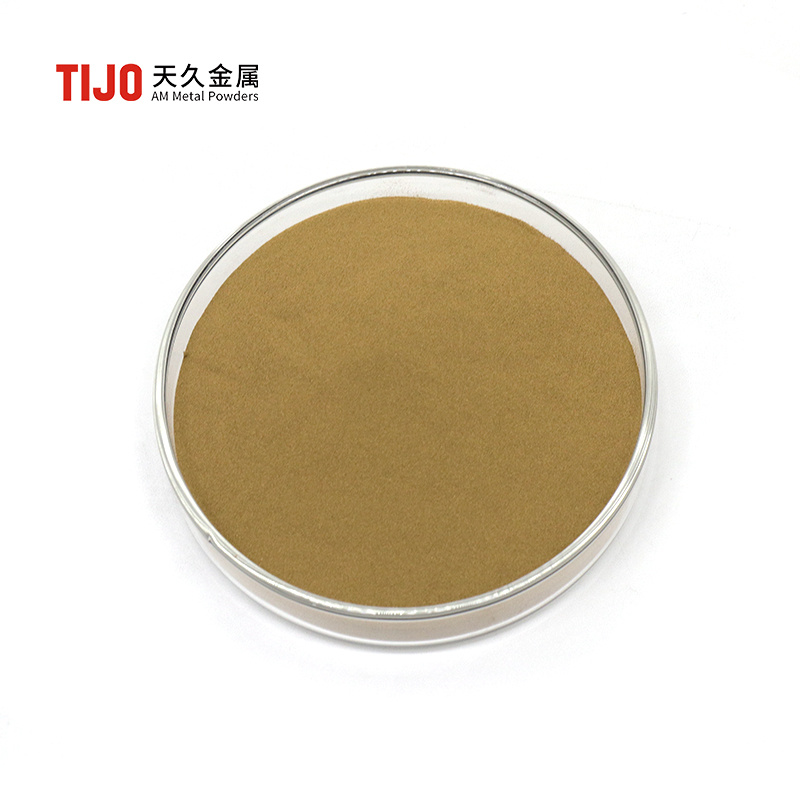

1. Precise composition: Cu ≥ 80%, Zn ≈ 20%, with low impurity levels (Fe ≤ 0.1%, Pb ≤ 0.03%). 2. Diverse morphology: Available as irregular‑shaped or near‑spherical powders, with flowability tailored to meet the requirements of various processes. 3. Stable performance: Excellent oxidation resistance and electrical conductivity ≥ 25% IACS (International Annealed Copper Standard). 4. Flexible particle size: Standard particle size ranges from 15 to 150 μm, with customized grading options available.
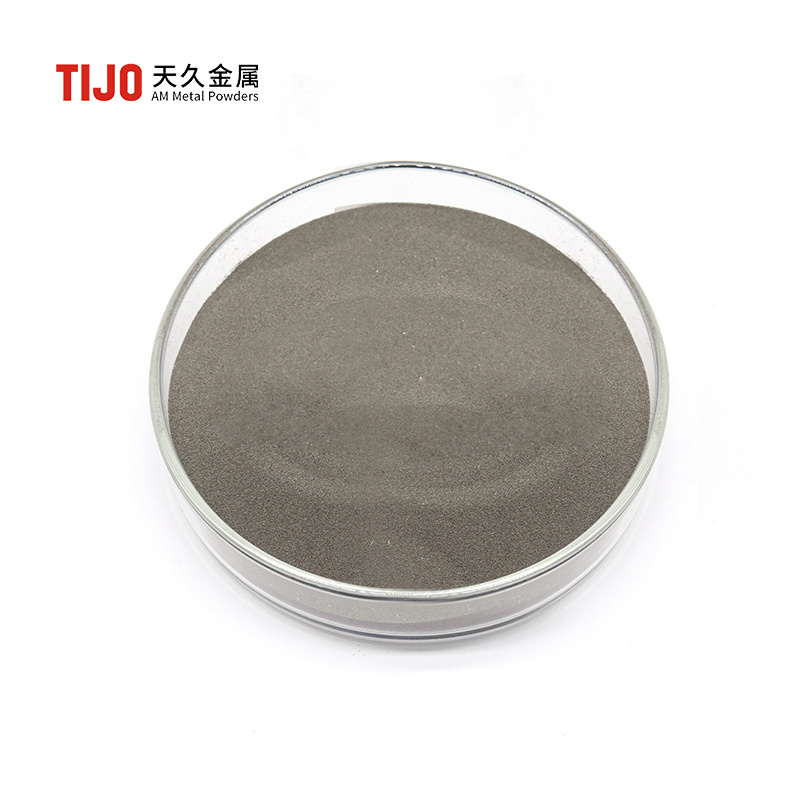
It has high-strength and high toughness as well as good high temperature properties and corrosion resistance and good welding performance that can fill the small gap connector, we suggest the joint gap is 0.025-0.075mm


Similar with the eutectic composition of copper phosphorus, low welding temperature, The flowability of solder is very excellent, suitable for small junction of solder gaps, and formed very small solder angle after solder

BCu92P copper-phosphorus brazing filler metal
Copper-phosphorus brazing alloys, the most widely used copper-based materials, are well suited for narrow-gap welding and exhibit excellent fluidity.
Maybe you want to know something else.
Contact Us

Address: No.39, Liandong Yougu lnd. Park, Bachelor Street,Changsha City,Hunan Province, China.