
Nickel-based
Nickel-based filler material is a brazing filler composed of nickel as the matrix, supplemented with low-melting-point elements (such as boron, silicon, phosphorus, etc.) and strengthening elements (such as chromium, cobalt, molybdenum, tungsten, iron, etc.)
CuP14 copper-phosphorus alloy powder
Features:
1. Flux‑free operation: Phosphorus forms phosphates during brazing, reducing oxidation and eliminating the need for an additional flux. 2. Low melting point for easy handling: Solidus around 645°C, liquidus around 815°C, making it suitable for heat‑sensitive components. 3. High electrical conductivity: The brazed joint exhibits conductivity comparable to pure copper, ensuring reliable electrical connections. 4. Excellent wettability: Provides thorough wetting on base materials such as copper and brass, resulting in dense, porosity‑free welds.
Application:
Packing:
Aluminum foil bag, iron drum, plastic drum, woven bag, pallet, customized packaging
Date of delivery:
Precision grinding, intelligent manufacturing technology, integrated solutions
3-15 days
key word:
CuP14 copper-phosphorus alloy powder
Self-fluxing agent · Low-melting-point · Silver-free, environmentally friendly brazing alloy -100 mesh / -200 mesh / -300 mesh
Core Advantages of CuP14 Brazing Alloy
Self-fluxing agent function
Phosphorus forms P₂O₅ at high temperatures and reacts with copper oxide to produce a phosphate slag that protects the weld; therefore, brazing of red copper typically does not require the addition of an external flux.
Low melting point · Easy to use
Solidus: 645°C; liquidus: 815°C; narrow melting range; excellent fluidity; ideal for rapid brazing of red copper and brass, minimizing overheating of the base materials.
High electrical conductivity
The brazed joint exhibits a resistivity comparable to that of pure copper, with a conductivity of approximately 40% IACS, ensuring reliable electrical connections and making it suitable for conductive and grounding components.
Excellent wettability
It exhibits excellent wettability on base materials such as copper and brass, with dense welds free of porosity, well‑filled brazing fillets, and high gas tightness.
Product Real-World Photos & Microscopic Morphology
 SEM of CuP14 powder
Prepared via atomization combined with ball milling, the particles exhibit an irregular morphology, a high specific surface area, and are easy to incorporate into solder paste formulations.
 Real-life photos of the powder
Gray-black powder, vacuum-sealed aluminum foil pouch, batch traceable.
 Copper pipe brazed joint
Brazing of copper piping for air conditioning and refrigeration; welds are dense, bright, and free of oxide scale.
CuP14 copper-phosphorus alloy powder
CuP14 is a copper–phosphorus brazing alloy containing 13.0–14.0% phosphorus, with the remainder being copper. Thanks to phosphorus’s self‑reducing and slag‑forming properties during brazing, it enables flux‑free or low‑flux brazing of copper and copper alloys (such as red copper, brass, and bronze), significantly simplifying the process. This alloy has a melting range of 645–815°C and is suitable for flame brazing, induction brazing, and resistance brazing, making it particularly well‑suited for brazing copper tubing quick‑connect fittings, compressor components, and heat exchangers in the refrigeration industry.
Chemical Composition (wt%)
| Grade | Cu | P | Total impurities |
|---|---|---|---|
| CuP14 | Bal. | 13.0-14.0 | ≤0.25 |
* Phosphorus content is precisely controlled to ensure brazing fluidity and weld seam strength. Oxygen content ≤ 0.10%.
Particle Size Specifications & Physical Properties (Typical Value for -200 Mesh)
| Grade | Particle size specification | Loose packing density (g/cm³) | Tap density (g/cm³) | Flowability (s/50g) (Ø2.5mm) | D10 (μm) | D50 (μm) | D90 (μm) | Typical process |
|---|---|---|---|---|---|---|---|---|
| CuP14 | -100 mesh | ≈3.2 | ≈4.3 | ≈32 | — | — | — | Coarse powder spreading, pre-formed solder tabs |
| CuP14 | -200 mesh | 3.08 | 4.17 | 34.68 | 22.28 | 58.46 | 98.27 | Brazing paste, flame/induction brazing powder |
| CuP14 | -300 mesh | ≥2.9 | ≥3.8 | ≤38 | — | — | — | Precision solder paste, micro‑gap filling |
* The above -200 mesh data represent typical values obtained from actual testing; other particle sizes can be customized upon request. Flowability was measured using a Hall flowmeter with a 2.5 mm aperture.
| Parameter item | Value/Condition | Note |
|---|---|---|
| Solidus temperature | Approximately 645°C | Melting onset temperature of the brazing filler metal |
| Liquidus temperature | Approximately 815°C | Complete melting temperature of the brazing filler metal |
| Recommended brazing temperature | 850℃ ~ 900℃ | It offers optimal fluidity, making it ideal for rapid brazing of copper tubing. |
| Density (Alloy Theory) | Approximately 7.9 g/cm³ | — |
| Electrical conductivity | Approximately 40% IACS | The brazed joint has low electrical resistance, making it suitable for electrical connections. |
CuP14 Brazing Process Reference (Copper–Copper Brazing)
| Base material combination | Recommended brazing temperature | Flux Usage | Joint performance |
|---|---|---|---|
| Red copper–red copper | 850-880℃ | Usually no flux is required (self-fluxing). | The weld seam is dense, with a tensile strength of ≥150 MPa. |
| Red copper–brass | 860-900℃ | FB102 may be used in small quantities. | Good wetting, no porosity. |
| Brass - Brass | 870-910℃ | It is recommended to use FB102. | The brazed joint is bright and exhibits high strength. |
| Copper-steel | 880-920℃ | Flux is required. | Moderate bond strength, suitable for non-pressure-bearing components. |
* It delivers the best results when used with pure copper; for brass, we recommend pairing it with a small amount of borax-based flux. Induction brazing offers rapid heating, so a higher temperature is recommended.
CuP14 vs. Silver-based Brazing Alloy (BAg) and Conventional Copper-Phosphorus Brazing Alloy
| Comparison item | CuP14 (silver-free) | BAg series (silver-containing) | Common CuP6/8 |
|---|---|---|---|
| Cost | ✓ Extremely low | High | Lower |
| Brazing temperature | 850-900℃ | 700-800℃ | 870-930℃ |
| Self-fluxing property | ✓ Excellent for red copper | None | Good |
| Conductivity | ✓ Approximately 40% IACS | 25-45% IACS | ≈35% IACS |
| Applicable base material | Copper and copper alloys | Stainless steel/copper/nickel | Copper and copper alloys |
Due to its high phosphorus content, CuP14 exhibits superior self-fluxing performance compared with conventional copper-phosphorus brazing alloys and delivers brazed joints with enhanced toughness, making it the preferred cost-effective material for refrigeration and electrical copper brazing.
Typical application areas
 Refrigeration industry
Brazing of copper tubing, heat exchangers, condensers, and compressor lines for air conditioners and refrigerators.
 Electronics and electrical appliances
Circuit contacts, heat sinks, conductive terminals, relay assemblies
 Power equipment
Busbar connectors, switch contacts, transformer windings, grounding system
 Precision manufacturing
Brazing of jewelry, instrument parts, and small metal structural components
 Automotive industry
Copper brazing of radiators, oil coolers, and sensor housings
 Bathroom hardware
Brazing of faucets, valves, and copper fittings
CuP14 Brazing Paste
Copper-phosphorus solder paste, with an organic carrier that is environmentally friendly and non-corrosive, exhibits stable thixotropic properties and is suitable for automated dispensing, screen printing, and manual application. The solder paste has a solid content of 88–92%, with adjustable viscosity, and requires no additional flux when brazing red copper, significantly streamlining the manufacturing process.
- With the self-fluxing filler metal design, copper brazing requires no additional flux application.
- Viscosity is adjustable (30,000–250,000 cP), compatible with dispensing and printing equipment.
- Low residue, easy to clean or no‑clean.
Sample production
CuP14 powder samples are available, tailored to match the customer’s brazing process.
Consultation on solder paste customizationEnd-to-end testing capability
Each batch of CuP14 powder is tested for chemical composition (phosphorus content), particle size distribution, oxygen content, flowability, and bulk/ tapped density to ensure consistent brazing quality. A full‑batch traceable Certificate of Analysis (COA) is provided.
Packaging & Delivery
- Welding powder packaging – Double-layer aluminum foil bags or plastic canisters, vacuum-sealed + iron drums/plastic drums, available in 5 kg, 20 kg, and 50 kg sizes.
- Custom packaging – Custom packaging available upon request.
- Shipment
– -100 mesh / -200 mesh / -300 mesh: standard particle sizes ship in 2–4 days; custom particle sizes take 5–10 days.
- Free sample – Provide samples for brazing verification
- Grain size customization – Customizable powder particle size
- Technical Support – Provide brazing temperature recommendations to reduce customers’ development costs.
Chemical composition(wt%)
Powder grade | Chemical composition ( wt% ) | ||
Cu | P | ||
CuP14 | Bal. | 13.0-14.0 | |
Physical indicators
Application areas

Chemical products
Catalyst
Powder Metallurgy PM
Welding materials
Recommend products
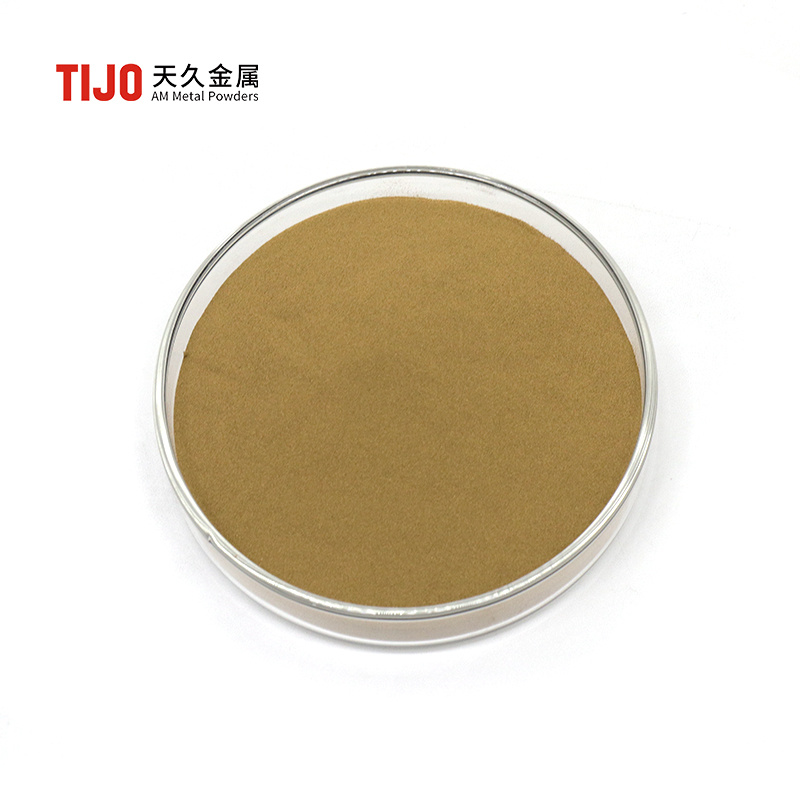
Excellent figurability and high strength, good weldability and machinability properties
View Details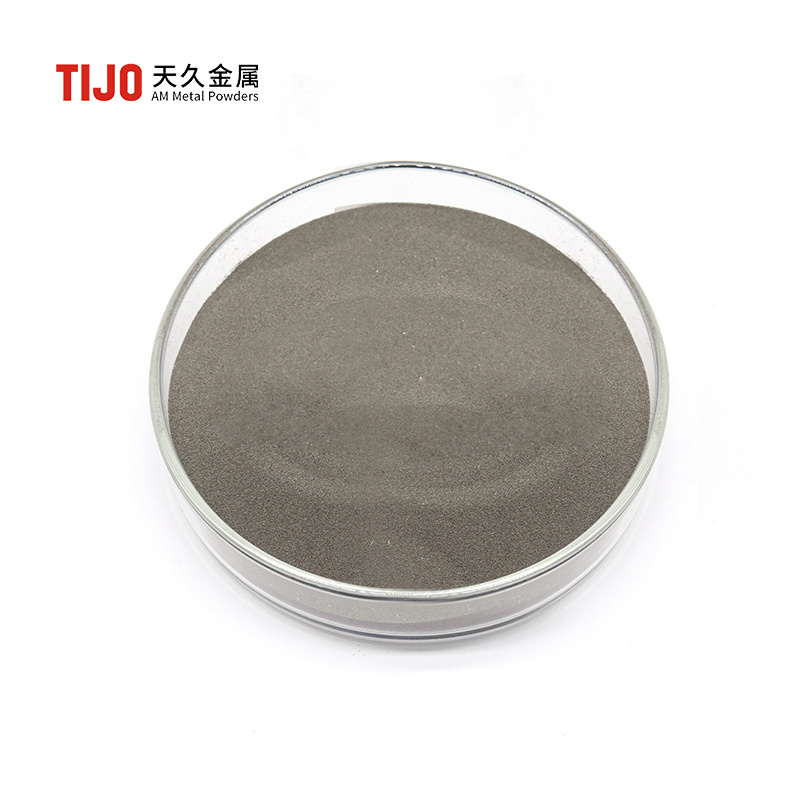
It has high-strength and high toughness as well as good high temperature properties and corrosion resistance and good welding performance that can fill the small gap connector, we suggest the joint gap is 0.025-0.075mm
View Details
Similar with the eutectic composition of copper phosphorus, low welding temperature, The flowability of solder is very excellent, suitable for small junction of solder gaps, and formed very small solder angle after solder
View Details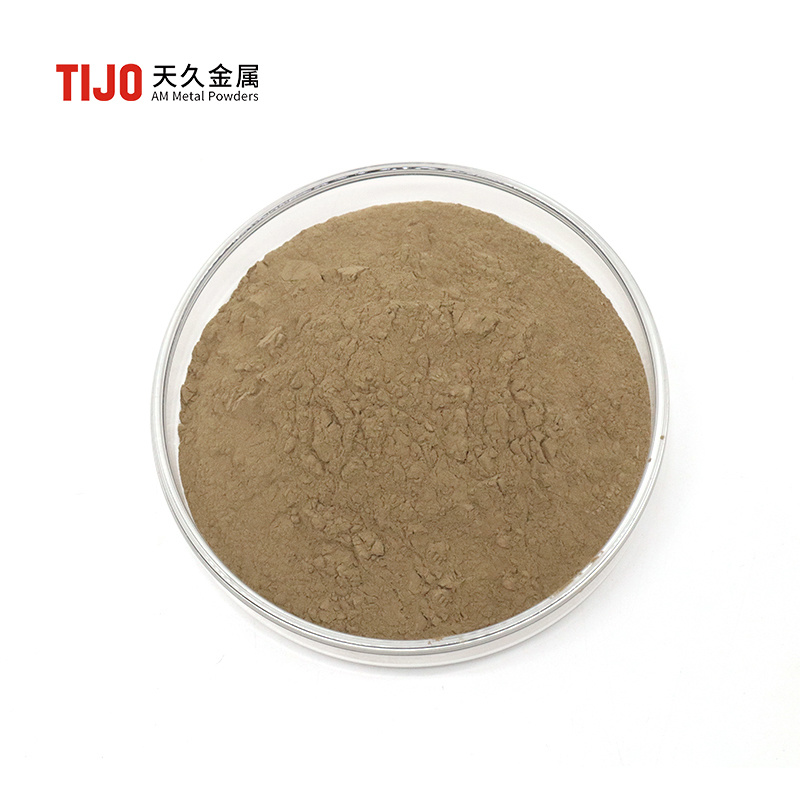
Low melting point, good compactability, easy sintering; excellent strength、thermal conductivity、wear resistance 、color and lustre
View DetailsMaybe you want to know something else.
Contact Us
Address: No.39, Liandong Yougu lnd. Park, Bachelor Street,Changsha City,Hunan Province, China.