
Nickel-based
Nickel-based filler material is a brazing filler composed of nickel as the matrix, supplemented with low-melting-point elements (such as boron, silicon, phosphorus, etc.) and strengthening elements (such as chromium, cobalt, molybdenum, tungsten, iron, etc.)
6061 aluminum alloy powder
Features:
1. Excellent formability: High‑sphericity particles (sphericity ≥ 90%) with excellent flowability, making them well suited for additive manufacturing processes such as SLM (Selective Laser Melting). 2. Well‑balanced overall performance: Moderate strength (tensile strength ≥ 290 MPa), combined with good corrosion resistance and machinability; can be strengthened through heat treatment (T6 condition). 3. High purity with low oxygen content: Oxygen content ≤ 0.15%, ensuring powder purity, reducing printing defects, and enhancing the density of finished parts. 4. Versatile compatibility: Supports a variety of post‑processing techniques (e.g., anodizing, welding) and is suitable for applications in automotive, aerospace, industrial tooling, and other fields.
Application:
Metal injection molding (MIM) manufactures small, complex parts with strict tolerances and excellent performance.
Powder metallurgy (PM) involves pressing and sintering processes to create high-performance automotive and mechanical parts.
Thermal spraying deposits protective Al 6061 coatings through arc spraying, offering wear and corrosion resistance.
Welding filler is used as filler wire, providing welding strength similar to the base material.
Pigments are added to paints and polymers to provide gloss and corrosion protection.
Packing:
Aluminum foil bag, iron drum, plastic drum, woven bag, pallet, customized packaging
Date of delivery:
Precision grinding, intelligent manufacturing technology, integrated solutions
3-15 days
key word:
6061 aluminum alloy powder
Additive Manufacturing · Powder Metallurgy · Lightweight Structures
Process Advantages
High sphericity ≥90%
Vacuum atomization technology produces spherical particles with smooth surfaces and minimal satellite droplets, ensuring uniform powder spreading and smooth powder delivery.
Excellent liquidity
Kani flow rate ≤15 s/50 g, tapped density ≥1.30 g/cm³, meeting the requirements for high-speed printing.
Heat-treatable strengthening
The T6‑tempered material exhibits a tensile strength of ≥290 MPa, combining high strength with excellent toughness to meet the mechanical requirements of structural components.
Granularity customization
Supports a variety of particle size specifications, ranging from 15 to 53 μm, to meet the requirements of different equipment and processes.
Product Real-World Photos & Microscopic Morphology
 Electron microscopy microstructure
High-sphericity aluminum–magnesium–silicon alloy powder with a smooth particle surface, minimal satellite particles, and a uniform particle size distribution.
 3D-printed part
Widely used in aerospace lightweight components, automotive engine parts, electronic device housings, and more.
 Real-life photos of the powder
Vacuum aluminum foil pouches / iron drums, with full‑batch COA reports provided.
Regarding 6061 aluminum alloy powder
6061 (corresponding to the Chinese national standard LD30) is a heat-treatable aluminum–magnesium–silicon alloy with approximately 0.8–1.2% magnesium and 0.4–0.8% silicon. This alloy combines moderate strength, excellent corrosion resistance, and good machinability and weldability, making it one of the most widely used aluminum alloys in additive manufacturing. In SLM printing, the high sphericity and outstanding flowability of 6061 powder ensure uniform powder spreading and stable printing; the resulting parts achieve a density exceeding 99%. Furthermore, the material is compatible with post‑processing techniques such as T6 heat treatment, anodizing for coloration, and welding, and finds extensive applications in aerospace lightweight components, automotive engine parts, housings for 3C electronic devices, and industrial molds. The powder has a density of approximately 2.68 g/cm³.
Typical Chemical Composition (wt%)
| element | Cu | Magnesium | Yes | Cr | Fe | Mn | Zn | Ti | Single | Total | Al |
|---|---|---|---|---|---|---|---|---|---|---|---|
| Standard value* | 0.15-0.40 | 0.80-1.20 | 0.40-0.80 | 0.04-0.35 | ≤0.70 | ≤0.15 | ≤0.25 | ≤0.15 | ≤0.05 | ≤0.15 | Margin |
| Typical measured values | 0.20-0.30 | 0.95-1.10 | 0.55-0.70 | 0.10-0.25 | 0.15-0.25 | 0.03-0.08 | 0.05-0.10 | 0.02-0.05 | <0.02 | <0.10 | Bal. |
* Data are based on TIJO corporate standards and typical values for alloy 6061. Oxygen content ≤0.15% (≤1500 ppm), meeting the requirements of high‑quality 3D printing and powder metallurgy.
Powder Physical Properties & Particle Size Distribution
| Particle size specification (mesh/μm) | Kani flow rate (s/50g) | Loose packing density (g/cm³) | Tap Density (g/cm³) | Oxygen content (ppm) | Nitrogen content (ppm) | Sphericity (%) |
|---|---|---|---|---|---|---|
*Reference standard: Supports customized particle size; can be adjusted according to the customer’s equipment parameters.
End-to-end testing capability
Each batch of powder undergoes comprehensive inspection for composition, particle size, flowability, and sphericity, ensuring that the powder quality meets the stringent requirements of 3D printing, powder metallurgy, and thermal spraying. We provide a fully traceable Certificate of Analysis (COA) for every batch.
Typical application scenarios
 Automotive industry
Lightweight body components, engine parts, transmission housings, suspension systems, and wheels
 Aerospace
Aircraft fuselage structural components, wing panels, tail assemblies, and high-strength lightweight assemblies
 3C electronics
Electronic device housings, heat sinks, capacitor casings, electrolytic capacitors, resistors, and other components
 Shipbuilding
Hull structural components, ship fittings, decks, and ship interiors
 Mold manufacturing
Rapid prototyping, injection molds, industrial molds
 Powder metallurgy
High-precision mechanical components such as gears and bearings
 Thermal spraying
Surface Strengthening and Repair Coatings, Wear-Resistant Coatings
 Additive manufacturing
Complex aerospace structural components and lightweight parts
Key Advantages of Choosing TIJO 6061 Aluminum Alloy Powder
- Background of Powder Metallurgy Technology at Central South University – The atomization technology originates from the Powder Metallurgy Research Institute, with sphericity and particle size distribution precisely controllable.
- Mass production, stable supply – Four dedicated production lines with a monthly capacity exceeding 200 tons, ensuring timely delivery.
- Strict quality control system – ISO 9001:2015 certified, with full batch traceability and a complete Certificate of Analysis (COA) provided.
- 48-hour free samples – Rapidly provide sample‑validated printing/brazing processes to reduce selection costs.
- Particle size customization/modification – Particle size and blending ratios can be customized according to equipment parameters, with rapid response.
- End-to-end technical support – From powder parameter optimization to process recommendations, we collaborate with customers on development.
Chemical composition(wt%)
Grade | Chemical composition ( wt% ) | ||||||||||
> | Other > | ||||||||||
6061 | Cu | Magnesium | Yes | Cr | Fe | Mn | Zn | You | Single | Total | Al |
0.15-0.4 | 0.8-1.2 | 0.4-0.8 | 0.04-0.35 | 0.7 | 0.15 | 0.25 | 0.15 | 0.05 | ≤0.15 | Bal. | |
Physical indicators
Grade | Main Specifications | Kani flow rate | Loose packing density | Oxygen content |
15–53 μm | ||||
6061 | 15–53 μm 45–105 μm 75–150 μm | ≤15s/50g | ≥1.3 g/cm³ | ≤800ppm |
Application areas

Architectural Industry
Ship Industry
3C Elctronic Products
Automotive
Aerospace
Recommend products
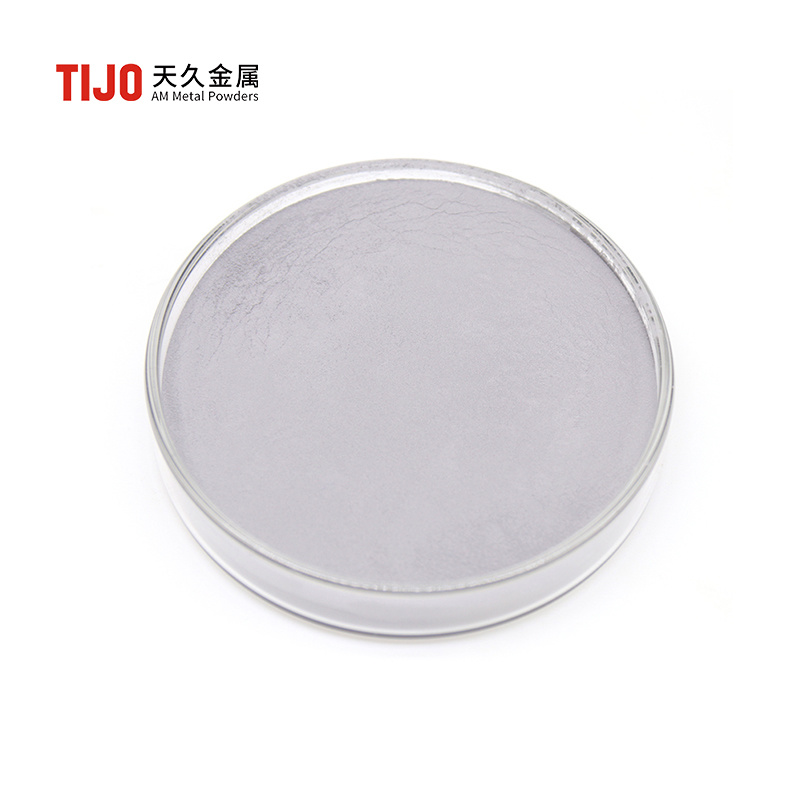
Gas atomization process, spherical powder, low oxygen content, uniform particle size, super fine powder, high density, good liquidity
View Details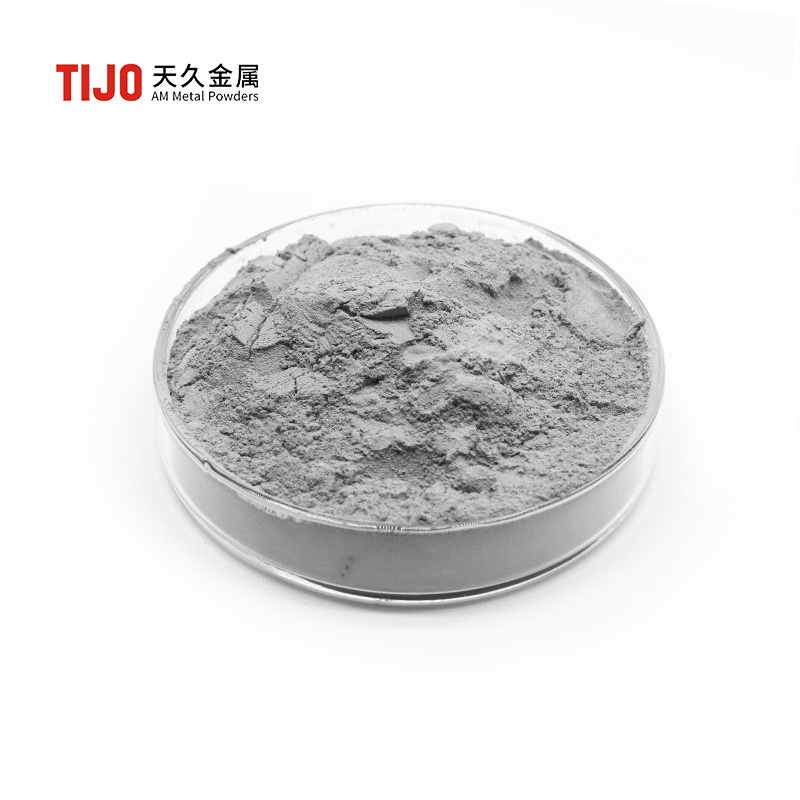
Gas atomization process, spherical powder, low oxygen content, uniform particle size, super fine powder, high density, good liquidity
View Details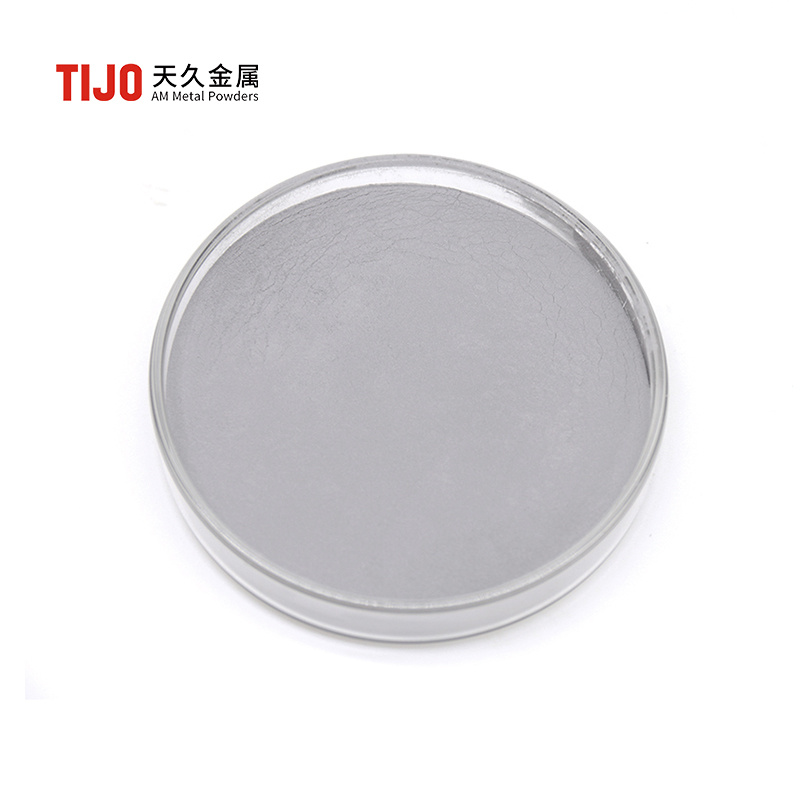
Gas atomization process, spherical powder, low oxygen content, uniform particle size, super fine powder, high density, good liquidity
View Details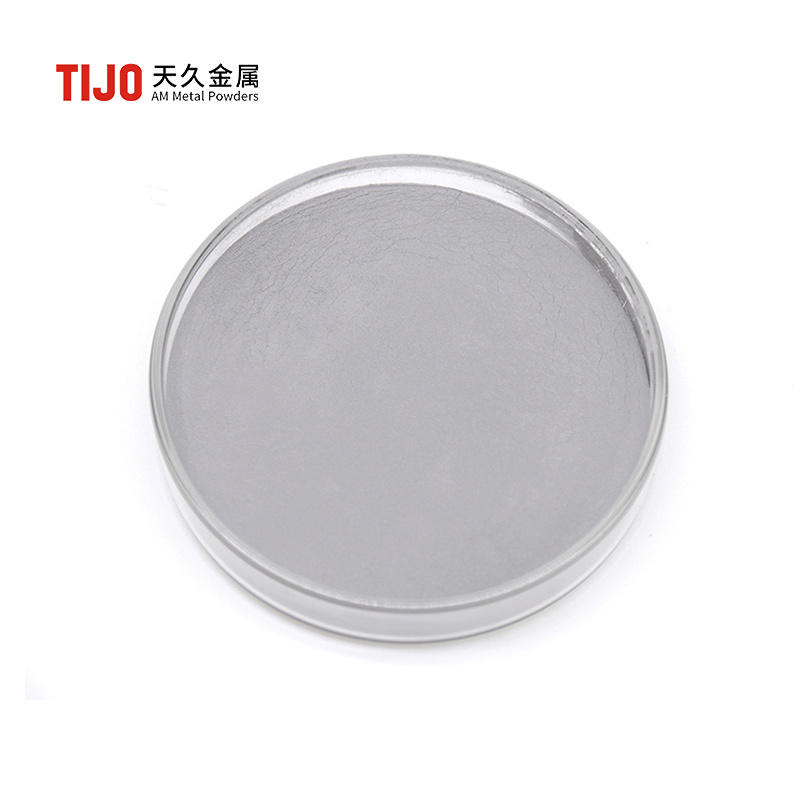
Gas atomization process, spherical powder, low oxygen content, uniform particle distribution, ultra-fine powder, low density, good flowability
View DetailsMaybe you want to know something else.
Contact Us
Address: No.39, Liandong Yougu lnd. Park, Bachelor Street,Changsha City,Hunan Province, China.